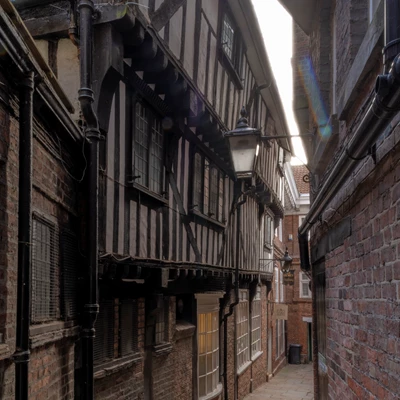
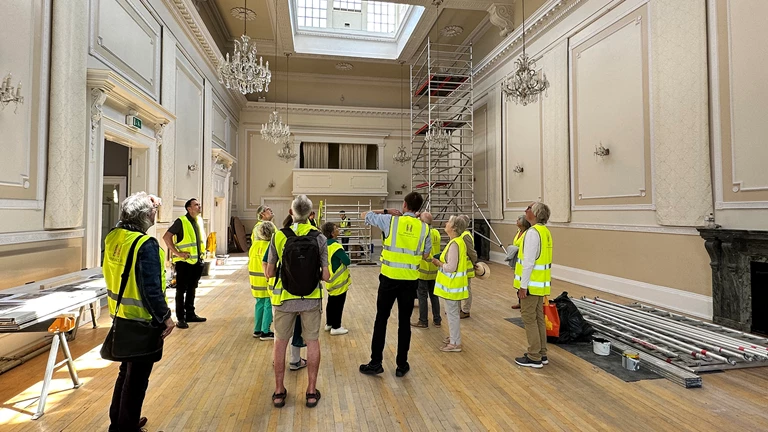


In the early 1940s, during the second world war, and before the importance of building conservation became as well understood as it is today, Dr John Bowes Morrell and his brother Cuthbert began conserving medieval properties in York. Many at risk of neglect and disuse, the brothers believed the buildings were an essential part of York’s heritage and should be saved. Such was the brother’s sense of civic duty and pride they wanted, not simply to conserve bricks and mortar, but to bring the buildings back to life, as family homes and business premises.
John Bowes and Cuthbert Morrell
Bowes and Cuthbert were sons of William Wilberforce Morrell, a Wesleyan Methodist and banker in Selby, who, on promotion to General Manager of the York City and County Bank, moved to York in 1875. As young boys they attended the Quaker Bootham School and were contemporaries of Joseph Rowntree's son Seebohm and nephew Arnold. The brothers also had an unwavering belief in public service, serving for many years as City Councillors, Cuthbert also serving as a Magistrate.
At 24 Bowes became the first non-family member to be invited to join the Board of Joseph Rowntree & Sons and would also go on to become a prominent businessman in the newspaper industry. A Councillor for forty years, Bowes was instrumental in establishing York's main library and Castle Museum. Twice holding the office of Lord Mayor, he was also keenly involved in the creation of York Art Gallery and saving the Shambles from irreparable deterioration.
In 1940 Bowes wrote The City of Our Dreams, setting out his vision of how York's heritage assets should inform and be integral to postwar modernisation plans, together with the betterment of York for its citizens. With a group of influential York public servants and business men, including Noel Terry and Oliver Sheldon, Bowes founded York Civic Trust and was a key mover in the campaign for a university in the city. Heslington Hall, bought by Bowes in the 1950s, is the location for the main York University campus and the main university library is named in his honour. Modest, patient, strategic and dedicated, Bowes declined a Knighthood but was delighted to be granted an Honorary Freeman of the City of York in 1950.
Bringing buildings back to life
In 1945, Bowes, together with Cuthbert and his detailed knowledge of vernacular architecture and historic buildings, established Ings Property Company with seven properties, indeed Cuthbert had been buying dilapidated buildings since the 1920s. Profit, however, was never a motive. From the beginning, the brothers wanted to conserve buildings of “historic and cultural significance”, a sentiment that led to Ings Property Company becoming York Conservation Trust in 1976 - the charitable organisation we operate today.
Over the years, we have added to our portfolio and, currently, York Conservation Trust has 70 buildings, or groups of buildings.
Custodian and landlord
All of our buildings are acquired as freehold properties. We have also taken on particular buildings for a nominal sum, including York Theatre Royal from City of York Council. Because we are focused on the long-term conservation interests of the theatre, it was felt that we were in a better position to be its custodian than the local authority, which has so many calls on its resources. Today, the family of Bowes and Cuthbert still form part of the Trust's Board of Trustees and continue to support the ideals of the brothers.
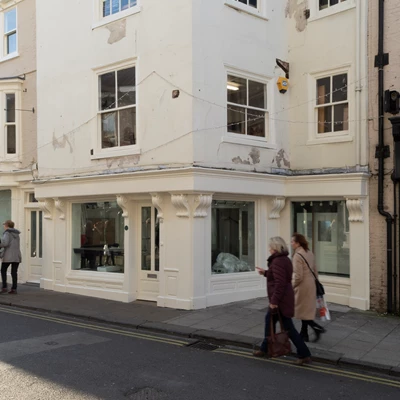
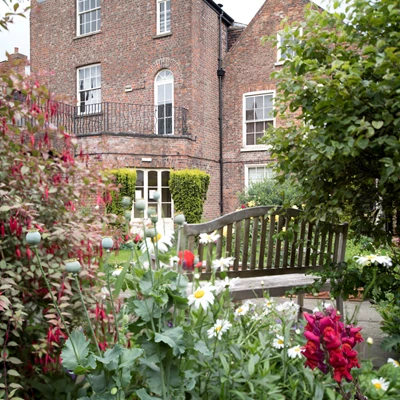
As a charity, conservation organisation and landlord, we play a crucial role in the life of York, its community and built heritage, working alongside our tenants and planning for the future of our vibrant city. Our tenants make their homes and operate businesses from our buildings. Supporting the community and offering commercial enterprises a unique way to stand out and deliver an enhanced customer experience.
Please note - enquiries around methods of repair, scaffolding licences and general works to listed buildings should be directed to City of York Council's planning department at planning.enquiries@york.gov.uk.
If you are looking for business premises in York, discover our commercial properties.
If you are interested in living in York, have a look at our residential buildings.
We also offer central York meeting room hire at De Grey House.
We also welcome visitors to York to be part of our rich history with a range of holiday flats and houses. If you would like to enjoy a York city break, choose from our well appointed guest apartments in York's historic city centre.
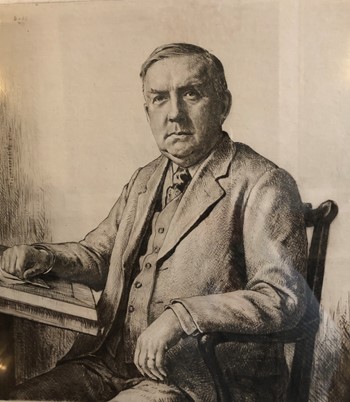
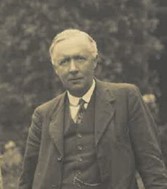
Founders and brothers, Dr John Bowes Morrell and Cuthbert Morrell
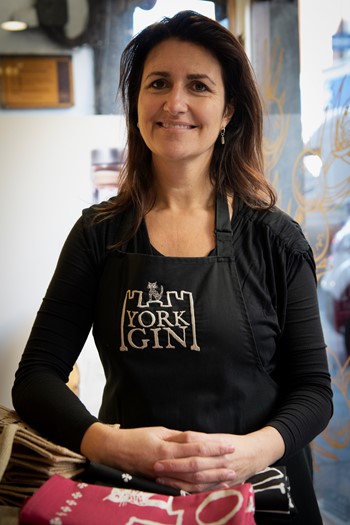
Our commercial and residential tenants mean our buildings can continue to play an important role in York's built heritage.